
St. Augustine FL Real Estate: Historic Homes and Modern Investment Opportunities
Why the Saint Augustine Market Behaves Unlike Anywhere Else in Florida
The listings make it look easy. A restored Victorian on Aviles Street with a wraparound porch and original heart-pine floors. A brick Colonial on Charlotte facing the courthouse square. A marsh-view contemporary on Vilano with a private dock and clerestory windows pulling in afternoon light off the Matanzas. Every showing photographs like a postcard. Then you stand in the front parlor, look up at a 124-year-old ceiling, and the same question lands every time — am I buying a home, or am I buying into restoration debt?
This guide does not list properties. It tells you what owning here actually costs, what the Historic Architectural Review Board will and will not let you change, when in the calendar year the market hands you leverage, and how to separate a $525,000 median listing in the broader vintage segment (per Redfin's vintage homes dataset) from the $3.988M fully-renovated 1900 Victorian that anchors the upper end of the Historic District (per Homes.com). The homes for sale in Saint Augustine Florida span four centuries of construction, three flood-zone classifications, and a price range wide enough that "Saint Augustine pricing" is meaningless without segmentation.
This is for buyers comparing Saint Augustine to other Florida coastal markets, investors weighing short-term rental viability, and primary-residence buyers who want historic character without surprise structural bills.
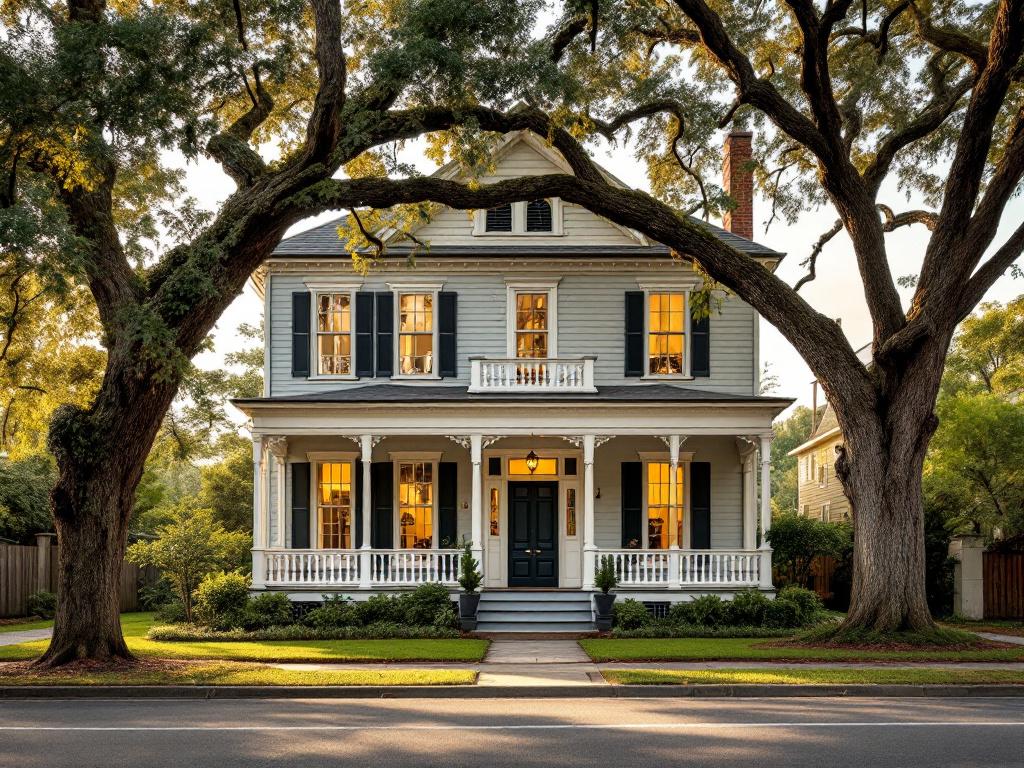
Table of Contents
- Why the Saint Augustine Market Behaves Unlike Anywhere Else in Florida
- What's Actually on the Market Right Now: Four Property Categories Decoded
- Historic Home vs. Modern Build: The Total-Cost-of-Ownership Comparison
- What You Cannot Change: Zoning, HARB, Flood, and Easement Realities
- When to Buy: How the Saint Augustine Calendar Shifts Negotiating Power
- Investment Property vs. Primary Residence: Picking Your Ownership Profile
- The Questions Saint Augustine Buyers Ask Before They Sign
- Your 30-Day Plan: From First Search to Signed Offer in Saint Augustine
Why the Saint Augustine Market Behaves Unlike Anywhere Else in Florida
Five structural forces shape every transaction in this market. Understand them before you evaluate a single listing.
Historic District zoning gravity. The City of Saint Augustine maintains a Historic Preservation overlay administered by the Historic Architectural Review Board (HARB). Any exterior change visible from a public right-of-way — windows, roofing material, paint color, fencing, additions — requires board review and approval. Approval timelines vary based on project scope and the board's meeting calendar; pull the current submission requirements directly from the City of Saint Augustine Planning & Building Department before you assume a renovation schedule. The point isn't whether HARB is reasonable. The point is that the deed restricts your design discretion in ways suburban Florida buyers never encounter, and that constraint is priced into every Historic District listing whether the seller acknowledges it or not.
Tourism-driven demand floor. The saint augustine real estate market sits on top of a permanent buyer pool — out-of-state second-home seekers and short-term-rental investors who do not need to sell when local conditions soften. This dampens downside volatility but raises entry pricing inside the Historic District. The Homes.com Historic District inventory ranges between roughly 55 and 92 active listings depending on the snapshot, with luxury examples reaching $3.988M. Realtor.com tracks the broader Old City segment with median figures that have been reported between $736,944 and $1.15M (Realtor.com Old City) — a spread that tells you the segmentation between fully-restored historic and the surrounding mixed inventory is severe.
Historic charm is an asset you pay for twice — once at closing, and again every year you own it.
Days-on-market reality. Average market time runs roughly 104 days across Redfin's vintage segment and approximately 132 days in some Old City data per Realtor.com. Both figures are materially slower than peak Tampa or Miami velocity. This matters because the listing agent's "we have multiple offers" framing carries less weight when the comp set has been sitting for over three months. Buyers who internalize the velocity data negotiate from a different position than buyers who arrive expecting South Florida urgency. Buyers comparing Saint Augustine against South Florida markets like Boca Raton Real Estate will notice the inverse dynamic — slower velocity here, deeper negotiation runway, and a buyer pool that travels rather than commutes.
Coastal flood geography. Properties east of San Marco Avenue and along the Matanzas River frequently sit in or near FEMA-designated flood zones. Elevation determines NFIP premium tier, and elevation is parcel-specific — the lot next door may price differently. Pull the parcel from the FEMA Flood Map Service Center before you write an offer, not after the inspection report comes back. Flood insurance is a separate line item from homeowner's coverage, and the rate depends on whether an elevation certificate is already on file.
Inventory mix. The same MLS contains a 1900 Victorian listed at $3.988M and 1960s suburban stock at materially lower price points. A 2,400-square-foot brick ranch in a non-historic neighborhood and a 2,400-square-foot wood-frame Queen Anne in the Historic District share square footage and almost nothing else — different inspectors, different insurance underwriting, different exit liquidity, different zoning rules. The next question is what's actually available and at what price across these homes for sale in saint augustine florida.
What's Actually on the Market Right Now: Four Property Categories Decoded
The live inventory sorts cleanly into four categories. Pick one before you tour — buyers who shop across all four routinely add 60+ days to their timeline because each requires a different inspector, a different insurance call, and a different financing strategy.
| Property Category | Observed Listing Range | Typical Buyer | Inventory Depth | Renovation Common? |
|---|---|---|---|---|
| Historic District restored | $525K median; up to $3.9M+ | Second-home, lifestyle | 55–92 active | Selective, HARB-approved |
| Waterfront / marsh-view | Mid-six to low-seven figures | Investor, second home | Limited | Rarely needed |
| Older suburban (1960s–80s) | Below historic median | First-time, value | Largest segment | Frequently |
| New construction infill | Upper-six to seven figures | Lifestyle relocator | Niche | No |
Ranges reflect typical listing patterns observed across Redfin, Homes.com, and Realtor.com inventory at time of writing.

The Historic District buyer is paying for designation, walkability to Old Town, and HARB-protected aesthetics. The trade-off is maintenance volatility and approval friction on improvements. If your renovation list includes "replace those old windows with vinyl," this category is wrong for you — original sash windows are typically protected. The historic homes saint augustine inventory rewards buyers who treat the property as stewardship, not as a flip.
The waterfront buyer is paying for view, dock access, and rental upside. The trade-off is flood insurance, storm exposure, and salt-air corrosion that shortens the lifespan of HVAC condensers, exterior fasteners, and metal roofing. Waterfront property saint augustine inventory is thinner than the historic segment — when a true waterfront listing surfaces priced correctly, it moves quickly even in a slow market.
The older suburban buyer is paying for square footage and predictability. Distance from downtown amenities and weaker short-term rental demand are the trade-offs. This is the deepest segment and the easiest to negotiate inside, particularly outside peak season.
The new construction buyer is paying for warranty and zero deferred maintenance. Limited inventory and no historic tax positioning are the trade-offs. The buyer who values weekend time over weekend projects belongs here.
Pick one category before you schedule showings. Buyers comparing across all four categories almost always extend their timeline because the underwriting questions are not interchangeable. Segmentation discipline applies in every Florida market — the same pattern shows up across Boca Raton Homes for Sale inventory, where condo, single-family, and waterfront tours each demand a different financing posture and inspection team.
Historic Home vs. Modern Build: The Total-Cost-of-Ownership Comparison
Purchase price is the smallest line item over a 10-year hold. The table below maps the recurring and conditional costs that separate a 1905 wood-frame from a 2018 stucco build.
| Cost Factor | Historic Home (pre-1940) | Modern Home (post-2000) |
|---|---|---|
| Listing price anchor | $525K median (vintage segment) | Above vintage median |
| Days on market | ~104 days | ~132 days in some segments |
| Insurance complexity | Higher — wood frame, age, replacement rules | Standard — wind mitigation credits |
| Foundation / structural risk | Variable; inspection critical | Low within first 20 years |
| Roof & systems | Older cycles; HARB material constraints | Predictable replacement cycle |
| HARB approval for exterior changes | Yes if in district | No if outside district |
| Federal Historic Tax Credit | Possible if certified | Not eligible |
| Flood insurance | Depends on FEMA zone | Depends on FEMA zone |
Insurance, repair, and tax dollar figures vary widely by parcel and underwriter. Verify with your insurance broker, the St. Johns County Property Appraiser, and a contractor experienced in pre-1940 structures before relying on any pro forma. Days-on-market figures come from Redfin and Realtor.com.
The purchase price is the smallest number you will write for this house. Plan for the rest before you sign.
Three honest scenarios shape the decision. The historic home wins when the buyer plans to occupy long-term, values walkability to Old Town, and holds a 20% liquidity reserve beyond the down payment for unscheduled repairs — older wood-frame homes do not announce their problems on a predictable schedule. The modern home wins when the buyer wants stable monthly costs, plans to rent the property, or has no contractor relationships in the area. Predictability has a value, and in the saint augustine real estate market that value is measurable in stress as much as in dollars.
The break-even point depends almost entirely on whether the historic property qualifies for the Federal Historic Preservation Tax Incentives program, which offers a 20% credit on certified rehabilitation of income-producing historic structures. That credit can reshape the math materially — but eligibility is a National Park Service determination, not a real estate agent's opinion. Buyers who want the predictable-cost ownership model that newer construction enables should also review the Boca Raton Condo Buyer's Guide: Top Communities and What to Expect in 2026, which maps the same predictability logic onto a different product type.
Never make this decision on aesthetics alone. Get an inspection from a contractor experienced in historic structures, get an insurance quote in writing before removing your financing contingency, and pull the property's tax record from St. Johns County before the offer goes in.
What You Cannot Change: Zoning, HARB, Flood, and Easement Realities
Six items the deed does not let you control. Each is verifiable in writing before closing — buyers who get hurt are the ones who relied on the listing agent's verbal summary.
1. Historic Architectural Review Board (HARB) approval for exterior modifications. Any change visible from a public right-of-way in the Historic Preservation overlay — windows, roof material, paint, fencing, additions — requires HARB review. The application packet, submission deadlines, and meeting calendar are published by the City of Saint Augustine. Treat HARB approval as a published condition of ownership, not a negotiation point. Sellers cannot promise you that your planned addition will be approved; only the board can. If your purchase logic depends on a specific exterior modification, build a HARB approval contingency into the offer. This is the historic district zoning saint augustine reality that catches first-time buyers off guard.
2. FEMA flood zone designation. Properties east of San Marco Avenue and along Matanzas Bay frequently fall in AE or VE zones. Elevation certificates determine NFIP premium tier, and the difference between a parcel one foot above base flood elevation and one foot below is measured in thousands of dollars per year over the hold period. Pull the parcel from the FEMA Flood Map Service Center before you write the offer. The saint augustine flood zone classification is not negotiable, but your awareness of it is — and your insurance quote depends entirely on this lookup.
3. Easements and rights-of-way. Older Saint Augustine lots commonly carry utility, drainage, or alley easements that do not appear in listing photos. The title commitment will reveal them, but only if you read it. Insist on Schedule B-II review with your closing attorney before you remove the inspection contingency. An easement across the rear third of a lot can eliminate the pool location you had in mind, the addition you planned, or the privacy fence you assumed was permitted.
4. Setback regulations in Historic Preservation zones. Side and rear setbacks in HP-1, HP-2, HP-3, and HP-4 districts are typically tighter than in standard residential zoning. If you plan an addition or accessory structure, your architect must confirm the building envelope before contract — not after. Confirming setbacks during the inspection period costs you two days. Confirming them after closing, when you discover the planned guesthouse cannot fit, costs you the project.
5. Short-term rental rules. The City of Saint Augustine regulates short-term rentals, and not all parcels qualify. Rules differ inside the city limits from those in unincorporated St. Johns County, where St. Johns County administers separate ordinances. Confirm STR eligibility with the city clerk's office before underwriting any investment with rental income assumptions. The vacation rental zoning saint augustine framework is the single most expensive item to assume incorrectly — a parcel that cannot legally be rented nightly is a different asset class than one that can.
6. Tree preservation and live oak protection. Mature oaks above defined trunk diameters are protected under municipal ordinance; removal requires a permit and may be denied. Buyers planning pool installation, driveway widening, or addition footprints must inventory protected trees during due diligence. A 36-inch live oak in the wrong location can constrain the entire site plan.
When to Buy: How the Saint Augustine Calendar Shifts Negotiating Power
The saint augustine real estate market does not behave the same way in February as it does in August. The calendar shifts leverage in directional patterns reflected in the days-on-market data — roughly 104 days per Redfin and approximately 132 days in some Realtor.com Old City data — and a buyer with financing ready can read those patterns to time a better entry.
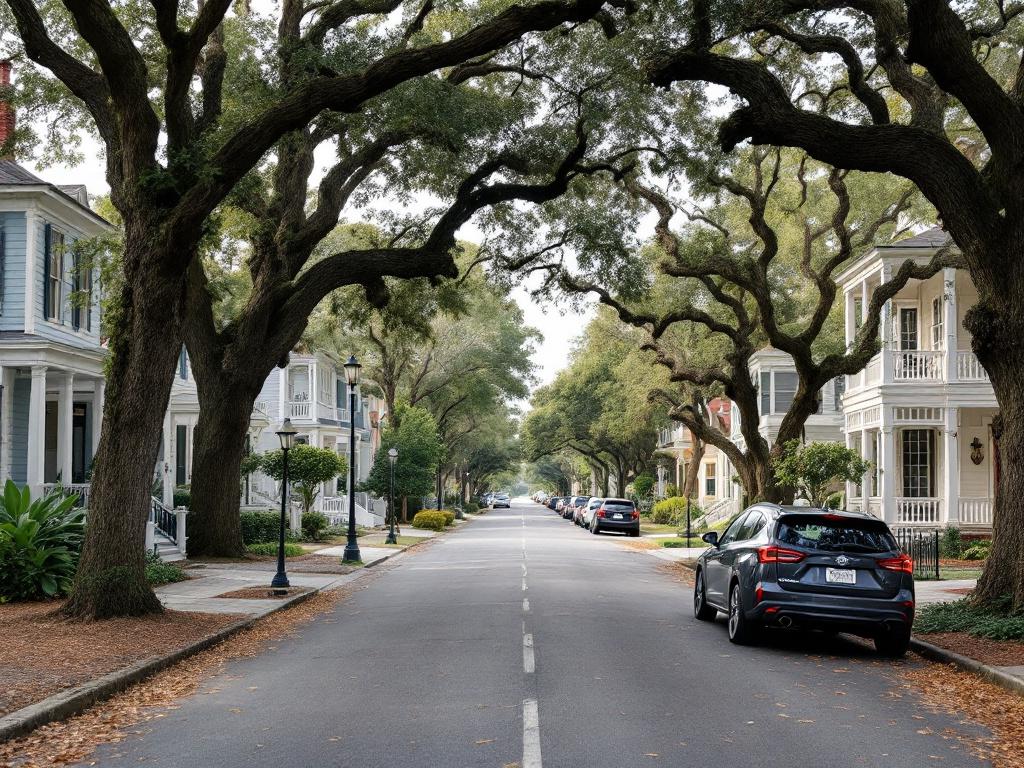
November through March — Peak season, peak competition. Out-of-state buyers and seasonal residents activate the market. Inventory is at its widest, and so is the buyer pool. Days-on-market compresses below the annual average. Sellers hold firm on price; agents reference "multiple interest" with conviction; the homes for sale in saint augustine florida that surface during these months tend to be priced at the optimistic end of the comp band. Your advantage is selection. Your disadvantage is leverage. If you must buy in this window, accept that you are paying a seasonal premium for inventory breadth.
April through May — The window most buyers miss. Tourist traffic eases, but inventory has not yet thinned. Sellers who listed in February without offers are now thinking about carrying costs through summer. Days-on-market drifts toward the upper end of the reported range. This is the most asymmetric window of the year for a buyer who has financing ready and a defined property profile. The same listing that would have drawn three offers in January now sits with one motivated seller and a contingent showing schedule.
The best deal in Saint Augustine is rarely found in the best season — it is found by the buyer who reads what the season reveals about the seller.
June through September — Summer slowdown and hurricane psychology. Heat, humidity, and Atlantic storm-season anxiety push casual investors out. Inventory thins because some sellers withdraw rather than carry through summer; the listings that remain are owned by sellers with real motivation — relocations, estates, divorces, financing pressure. Inspection stakes rise. Any property that weathered an active storm season needs a moisture and roof inspection before offer, with particular attention to soffit condition, attic ventilation, and any signs of water intrusion at window headers and door thresholds. The summer buyer accepts more diligence work in exchange for more negotiating room. Buyers comparing this seasonal pattern against interior Florida markets like the one mapped in the Lakewood Ranch FL Real Estate Guide: Best Neighborhoods and Home Buying Tips will notice the inland calendar runs on different signals — newer construction, master-planned community absorption, and school-year migration patterns dominate there.
October — The transition month. Pre-season repositioning begins. Sellers who plan to relist for peak season test pricing now, often with price reductions on stale inventory. Buyers who close in October avoid both peak-season competition and summer storm-damage uncertainty. New listings hitting the MLS in October are often priced sharply because the seller wants to clear before winter; older listings that haven't moved are increasingly negotiable as their sellers face the choice of carrying through another peak season or accepting the offer in front of them.
Investment Property vs. Primary Residence: Picking Your Ownership Profile
The same listing produces a different financial picture depending on which model you intend to operate. Pick the lane before you tour.
| Decision Factor | Investment Property | Primary Residence |
|---|---|---|
| STR licensing required | Yes — verify parcel eligibility | Not applicable |
| Maintenance time burden | High — vendor coordination | Owner-controlled |
| Financing | Investor loan; higher rate, larger down | Conventional, FHA, VA |
| Federal Historic Tax Credit | Yes, if certified rehabilitation | Not eligible |
| Flood insurance | Required if in FEMA zone | Required if in FEMA zone |
| Exit liquidity | Tied to lease/tenant status | Tied to market conditions |
| Best-fit neighborhoods | Old Town periphery, Vilano, waterfront | Lincolnville, San Marco, Davis Shores |
Investor underwriting assumptions vary widely. Verify projected occupancy and rate with a Saint Augustine property manager before relying on any pro forma. STR rule references trace to the City of Saint Augustine; historic tax credit eligibility traces to the National Park Service; market velocity to Redfin.
The Vacation Rental Investor. Targets walkable-to-downtown historic stock or waterfront contemporaries. Must verify STR eligibility before offer — Section 4 covered why this is the single most expensive assumption to get wrong. Must underwrite to actual occupancy data sourced from a local property manager with current bookings, not from Airbnb's optimistic public estimates that average across markets with very different demand profiles. The Federal Historic Preservation Tax Incentive (20% credit on certified rehabilitation of income-producing structures) materially changes the math when the property qualifies — this is a CPA conversation paired with a National Park Service certification process, not a real estate agent conversation. Workload is real; many investment property saint augustine owners eventually transition to professional management once they understand what nightly turn coordination, guest communication, and hurricane-season insurance reviews actually consume in time. The same dynamic plays out in every Florida coastal market — investors comparing operational models often look at Boca Raton Property Management structures to benchmark fee ranges and service scope.
The Lifestyle Primary-Residence Buyer. Targets Lincolnville, the San Marco corridor, or Davis Shores — neighborhoods with walkable historic character but without the constant nightly tourist foot traffic of the Old Town core. The 104-day average market time means this buyer rarely needs to make a same-day offer. Patience is rewarded. The properties that move fastest in this segment are the ones with completed renovations and clean inspections; the properties that sit are the ones with deferred maintenance the seller priced as if it were already addressed.
Every waterfront rental in Saint Augustine competes for the same seasonal tenant. Your return depends on managing occupancy expectations, not on finding the property.
The Hybrid (Second Home with Occasional Rental). The hardest profile to execute well. STR rules apply the moment the property generates rental income. Insurance treatment shifts. Tax treatment shifts. Most hybrid buyers should pick a lane within the first 12 months of ownership rather than oscillating between use modes — and buyers considering a hybrid that includes extended-family stays should review the structural and zoning considerations in Navigating the Trend of Multi-Generational Living in Boca Raton, which apply equally well to North Florida waterfront properties used by extended family during peak season.
The worst Saint Augustine purchases happen when the buyer cannot articulate, in one sentence, which of these three profiles they are.
The Questions Saint Augustine Buyers Ask Before They Sign
How much do property taxes actually run, and how do I verify before I make an offer?
Florida property taxes are calculated on assessed value, not purchase price, at a millage rate the county sets annually. To get an exact number for any specific home, pull the parcel record from the St. Johns County Property Appraiser. Look at the prior year's tax bill, then remember that your purchase will trigger reassessment under Florida's homestead and Save Our Homes provisions — the new owner's tax bill will likely be higher than the seller's, sometimes materially so when the seller has held the property for a long period. Build a 15–25% reassessment buffer into your monthly budgeting and confirm the exact figure with the Property Appraiser before you remove your financing contingency.
How long do homes typically sit on the market in Saint Augustine?
Average days-on-market runs roughly 104 days across the vintage segment per Redfin and approximately 132 days in some Realtor.com Old City data. This is materially slower than peak South Florida metros, which means buyers usually have more negotiation runway than a listing agent's framing suggests. Move-in-ready waterfront and turnkey historic restorations are the exceptions — those can move in under 30 days when priced correctly. Properties needing structural work routinely sit 90 days or longer unless aggressively priced. The homes for sale in saint augustine florida segment that generates the most "we have multiple offers" pressure tends to be the narrow band of fully-restored historic in the $700K–$1.2M zone; everywhere else, the velocity data argues for patience.
Are historic homes harder to resell, or is there a real buyer pool when I want to exit?
The Historic District has consistent buyer demand. The Homes.com inventory shows active listings up to $3.988M alongside mid-market vintage stock, which indicates depth across price tiers. The exit risk is not category demand; it's condition. Historic homes sold "as-is" with disclosed structural issues take materially longer than fully restored peers. If your hold horizon is under five years, plan a six-month exit window and time your improvements during the hold period to support the eventual resale story rather than batching them in the final 90 days. Sellers in any Florida coastal market face similar staging-versus-improvement tradeoffs — the framework outlined in Sell Your Boca Raton Home translates directly to a Saint Augustine exit, especially the part about pricing improvements to support the eventual buyer's appraisal.
Do I need flood insurance even if my parcel is outside the official FEMA zone?
Many Saint Augustine properties sit close enough to surge-vulnerable geography that lenders, prudent advisors, and your own risk tolerance argue for flood coverage even when not federally mandated. The right answer is parcel-specific. Pull the FEMA Flood Map Service Center record for the address, get an elevation certificate if one is not already on file, and request quotes from both NFIP and the private flood insurance market — private carriers sometimes price more competitively for properties just outside Special Flood Hazard Areas. Treat flood insurance as a permanent line item if you are within roughly two miles of the Matanzas River or the Atlantic. The saint augustine flood zone determination drives the rate; the rate drives the monthly carrying cost; the carrying cost drives whether your investment math works.
Your 30-Day Plan: From First Search to Signed Offer in Saint Augustine
Days 1–2 — Define your profile in one sentence.
Investment, primary, or hybrid? Budget ceiling including a 20% liquidity reserve for historic-home unknowns? Renovation appetite — turnkey only, or willing to manage HARB-approved work over 6–18 months? Write your one-sentence buyer profile down on paper. If you cannot articulate it cleanly, stop here. The earlier section on ownership profiles covers why buyers without a defined profile spend more, take longer, and end up in properties that don't match their actual life.
Days 3–5 — Audit the live market against your profile.
Pull current inventory from Redfin (vintage segment), Homes.com (Historic District), and Realtor.com (Old City). Identify five candidate parcels. Cross-reference each one against the FEMA Flood Map Service Center for saint augustine flood zone classification and the St. Johns County Property Appraiser for prior-year tax bills. Note flood zone designation. Note assessed value versus listing price. This is desk research — no agent calls yet. The goal is a short list you understand on paper before anyone tries to sell you on showings.
Days 6–10 — Lock in financing and assemble your inspection team.
Get written mortgage pre-approval, not verbal. For historic stock, source an inspector with documented experience on pre-1940 wood-frame structures — foundation, framing, sill condition, and original-window assessment are non-negotiable line items, not optional add-ons. For investment underwriting, get a written occupancy estimate from a Saint Augustine property manager with current bookings in the relevant neighborhood, not from public Airbnb estimator tools. Identify a closing attorney now; you'll need one for the title commitment review later, and the good ones book out two to three weeks in peak season.
Days 11–15 — Tour at three times of day.
Morning showing for natural light and structural visibility — water stains, ceiling cracks, and floor settlement are easiest to see in raking morning light. Mid-afternoon for tourist-traffic reality if the property sits near Old Town; what's serene at 9 a.m. can be a parade route at 2 p.m. Evening drive-by for parking conditions, neighbor activity, and ambient noise from bars or restaurants on adjacent blocks. Listings photograph well at one moment. You will live there at all of them.
Days 16–20 — Narrow to two or three finalists; commission inspections.
Structural and foundation inspection. Roof inspection with remaining-life estimate in writing. Wind mitigation report — this affects insurance pricing materially through credit eligibility on hurricane-resistant features. For Historic District properties, confirm with the City of Saint Augustine planning office which of your planned improvements would require HARB review under the historic district zoning saint augustine framework, and request the current submission timeline in writing. For investment properties, confirm STR eligibility on the parcel in writing from the appropriate jurisdiction (city clerk if inside city limits; county if outside).
Days 21–28 — Build your offer with contingencies that protect you.
Use comps, days-on-market data, and any inspection findings to justify your offer position rather than the listing agent's anchor. Standard contingencies: financing, inspection, title. Saint Augustine-specific additions for the right property: HARB approval contingency on any planned exterior work, flood insurance availability and quoted-rate contingency, STR licensing contingency for investment buyers. Your closing attorney reviews Schedule B-II of the title commitment for easements, restrictions, and rights-of-way before you remove the inspection contingency. A buyer who removes contingencies before reading Schedule B-II is a buyer who has not actually finished due diligence.
Days 29–30 — Final walkthrough and decision.
Re-walk the property within 48 hours of closing. Confirm no new damage since inspection, no removed fixtures the seller agreed to leave, and that all contracted repairs are complete with documentation. Title is clear. Insurance is bound and the policy is in your hand, not "in process." The wind mitigation credit you priced into your monthly is reflected in the bound premium. If everything holds, close. If anything has shifted materially since contract, your contingencies exist for exactly this moment — use them. The cost of walking away on day 30 is always lower than the cost of closing on a property that no longer matches the deal you signed.