Exploring the Benefits of Living in Boca Raton's Historic Districts
Boca Raton is a city rich in history and cultural significance. Known for its unique architectural styles and esteemed historic districts, Boca Raton offers a window into the past, preserving the city’s heritage for generations to come. The Boca Raton historic districts play a critical role in safeguarding the city’s architectural and cultural history, making them a cornerstone of the community’s identity.
Overview of Historic Districts in Boca Raton
A historic district is an area with buildings and sites of historic, architectural, and cultural significance. These districts are protected by specific guidelines from entities such as Florida’s State Historic Preservation Office to preserve their integrity. The story of Boca Raton’s historic districts begins with its agricultural roots in the early 20th century, setting the stage for its evolution into a cultural hub.
Boca Raton’s history spans from early farming communities to the introduction of iconic Mediterranean Revival architecture by Addison Mizner in the 1920s. This architecture became synonymous with the city and is a key focus of ongoing preservation efforts. The Historic Preservation Board actively works to maintain these historic elements, ensuring future generations can appreciate Boca Raton’s architectural splendor and understand The Evolution of Architectural Styles in Boca Raton.
Notable Boca Raton historic districts include:
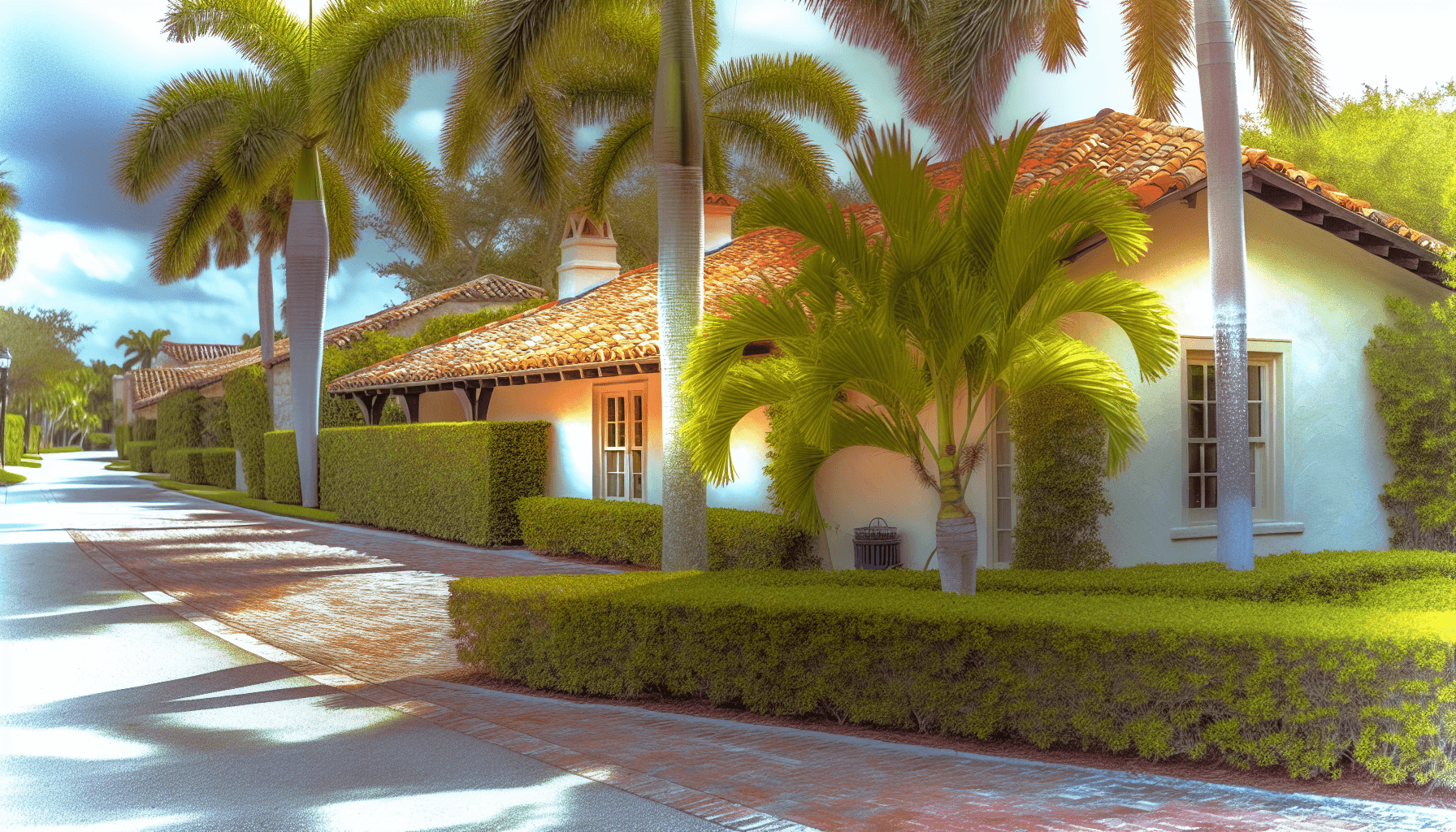
- Old Floresta: Established in the 1920s by Addison Mizner, this area features breathtaking Mediterranean and Spanish Revival homes. Known for its beautiful homes and excellent schools, Old Floresta is a beloved part of Boca’s heritage. It’s also located near Mizner Park, a local cultural and shopping hotspot.
- Pearl City: Founded in 1915 by African American families from the southern United States, this neighborhood holds the title of Boca Raton’s oldest. It stands as a monument to the city’s diverse origins, although it faces challenges from modern-day gentrification.
- Village of Hooper Park: Dating back to the early 1800s, Hooper Park is an example of early South Florida life preserved for its historical significance. It’s a reminder of a simpler time in Boca’s history.
- Spanish Village and Boca Raton Heights: Developed during the 1920s, these neighborhoods have maintained their historical charm and continue to add value to Boca Raton’s storied past.
These districts serve as living museums, preserving the history and culture of Boca Raton, making them pivotal parts of the city's identity.
Living in Historic Homes in Boca Raton
Living in historic homes Boca Raton offers unparalleled charm and a unique connection to the past. These homes are often situated in picturesque neighborhoods close to local landmarks and beaches, making them highly desirable.
Residents of historic homes in Boca Raton enjoy:
- Architectural elegance and craftsmanship that reflects historical styles like Mediterranean Revival and Spanish Revival.
- Strong community connections with shared pride in preserving the neighborhood’s heritage.
- Access to popular spots like Mizner Park, adding a modern touch to life in these classic homes.
However, living in a historic home also brings specific challenges. Stringent preservation regulations mean that any renovations or modifications must be carefully considered to maintain the architectural integrity of the property. This can limit changes that homeowners might want to make, but it's a small price to pay for living in a piece of history.
Housing costs in these neighborhoods tend to be higher due to their desirable locations and the prestige of owning a historic home. Rising property values can lead to gentrification, particularly in areas like Pearl City, where long-time residents work tirelessly to maintain their homes and heritage.
The residents of Pearl City often share stories of their dedication to preserving their neighborhood despite outside pressures. Many have lived in their homes for generations and are committed to fighting displacement. These personal narratives highlight the strong ties and deep roots within the community.
Living in a historic district in Boca Raton means being part of a legacy, participating in the ongoing story of a city that values its past while embracing its future.
Unique Features and Attractions of Boca Raton's Historic Districts
Boca Raton's historic districts are renowned for their unique architectural styles and historical landmarks. The Mediterranean Revival and Spanish Revival styles pioneered by Addison Mizner remain prevalent throughout these areas.
Key landmarks and attractions within the Boca Raton historic districts include:
- Old City Hall, now known as the Schmidt Boca Raton History Museum, serves as a testament to the city’s effort to retain its historical character while offering insights into its rich past.
- The FEC Railway Train Depot, also known as the Count de Hoernle Pavilion, and the Raulerson House provide a glimpse into the transportation history crucial to the development of Boca Raton.
- Mizner Park is more than just a commercial area; it is part of a 1925 district with beautiful restorations that mirror the National Register buildings.
- The Cloister Hotel, now integrated into the Boca Raton Resort & Club, showcases the opulent Spanish Revival style, remaining a favorite destination for both locals and tourists.
In addition to architectural attractions, Boca Raton's historic districts host events that engage the community and visitors alike. Historic tours of Old Floresta and exhibits at the Boca Raton Museum of Art, such as the Black Pearls exhibit, celebrate the city's cultural diversity.
Boca Raton's dedication to preserving its past while providing contemporary cultural experiences makes its historic districts a vital part of the community landscape. These areas invite exploration and appreciation of the city’s architectural and cultural milestones.
Exploring Boca Raton Historical Neighborhoods
For those eager to discover Boca’s past, Boca Raton historical neighborhoods offer enriching opportunities:
- Opt for a self-guided drive through the scenic streets of Old Floresta to admire the historic homes and tree-lined avenues that transport you to another era.
- Take a walking tour of Mizner Park and Pearl City to experience the vibrant energy and historical significance of these neighborhoods.
Visiting the Schmidt Boca Raton History Museum or the Boca Raton Museum of Art provides a deeper understanding of the city’s evolution and cultural tapestry. These museums frequently host exhibits that delve into various aspects of Boca's history, from indigenous cultures to modern-day transformations.
Efforts by the Historic Preservation Board ensure ongoing protection and preservation of these historic areas. The board’s work includes maintaining architectural guidelines and supporting restoration projects, such as those in the Village of Hooper Park.
Exciting archaeological discoveries, like artifacts from the Glades indigenous culture, continue to add depth to Boca Raton's historical narrative. These finds help bridge the gap between prehistoric times and the vibrant community we know today.
While the history of Boca Raton's neighborhoods offers a compelling narrative, the real experience comes from visiting these areas and feeling the connection to the past.
Real Estate in Boca Raton's Historic Areas
Real estate in Boca Raton's historic areas is synonymous with luxury and unique architectural features, primarily due to the timeless allure of Mizner-inspired designs. Properties in districts like Old Floresta often command prices in the multimillion-dollar range, reflecting their historical significance and premium locations. Boca Raton Real Estate professionals can provide guidance on these properties.
Potential buyers must navigate preservation guidelines that ensure the integrity of the historic districts while maintaining property values. These regulations may restrict certain renovations, making it crucial to understand and comply with preservation laws.
The constant demand for homes in historic districts often leads to appreciating property values, presenting a solid investment opportunity for those willing to invest in these unique neighborhoods. However, understanding the dynamics of gentrification, particularly in areas like Pearl City, is vital for anyone considering a purchase with the help of Boca Raton Property Management services.
Practical tips for prospective buyers include:
- Thoroughly researching Historic Preservation Board guidelines to ensure any proposed changes are permissible.
- Prioritizing walkable neighborhoods to enjoy the amenities and community spirit that historic districts offer.
- Engaging with local residents to gain insights into the area's history and current challenges, such as gentrification risks.
Boca Raton’s historic districts boast a real estate market that blends architectural elegance and modern convenience, offering homeowners a chance to embrace a unique and culturally rich lifestyle. The allure of these areas remains strong, drawing buyers who appreciate their historical and architectural significance. Sell Your Boca Raton Home within these districts to those eager to invest in history.
Conclusion
Boca Raton's historic districts are timeless treasures, preserving the city’s past while enhancing its cultural richness. Their charm lies not just in their beautiful architecture but in the stories and history they represent. These areas are vital in maintaining the city’s identity and offering residents and visitors a glimpse into its past.
We encourage you to explore these unique neighborhoods and engage with preservation efforts to ensure their legacy continues. Whether through visiting a museum, taking a historical tour, or simply enjoying the architecture, discovering the historical essence of Boca Raton is a rewarding experience.
As you delve into the layers of history contained within Boca Raton historic districts, consider participating in local preservation initiatives. Embracing the past helps keep the vibrant spirit of Boca Raton alive for generations to come.
FAQ
1. What makes Boca Raton's historic districts unique compared to other areas?
Boca Raton's historic districts stand out due to their Mediterranean Revival architecture introduced by Addison Mizner. This style is integrated with the city’s early 20th-century roots, combining cultural history with unique architectural appeal.
2. Are there any famous historical landmarks in Boca Raton's historic districts?
Yes, Boca Raton's historic districts are home to many notable landmarks such as the Schmidt Boca Raton History Museum (formerly Old City Hall), Mizner Park, and the Cloister Hotel. These sites offer insight into the city’s rich history.
3. Why are there strict preservation regulations in place for historic districts?
Strict preservation regulations are necessary to maintain the architectural integrity and historical significance of the districts. These guidelines ensure that future renovations align with the original designs, preserving the cultural heritage of Boca Raton.
4. Can you still make modern updates to historic homes in Boca Raton?
While modern updates can be made, they must comply with local preservation guidelines. It's important for homeowners to work with preservation boards to ensure that updates respect the historical architecture of the property.
5. How can visitors best experience the culture of Boca Raton's historic districts?
Visitors can enjoy self-guided driving tours, walking tours, and visits to local museums such as the Schmidt Boca Raton History Museum. Participating in community events, historical tours, and engaging with locals can enhance the experience of Boca Raton’s culture and history.