
Condo for Sale in Boca Raton: 2026 Buyer's Guide to the Best Communities
Scrolling listings at midnight, you find a $385,000 two-bedroom in Boca Pointe and a $4.2M penthouse at One Thousand Ocean within the same search results — both tagged as a condo for sale boca raton. The category is too wide to be useful. Boca Raton is not one condo market. It is three distinct sub-markets separated by geography (east of Federal Highway, the central corridor, and west of I-95 toward the Turnpike), buyer profile, and amenity logic. Buying in the wrong tier for your goals means either subsidizing amenities you'll never use or anchoring capital in a community where resale velocity stalls.
By the end of this guide, you will know which tier matches your timeline, how to vet any specific community before you write an offer, and how to structure that offer so it survives condo-specific lending and HOA scrutiny. That last part — the structural diligence most buyers skip — is where Boca Raton real estate decisions are actually won or lost.
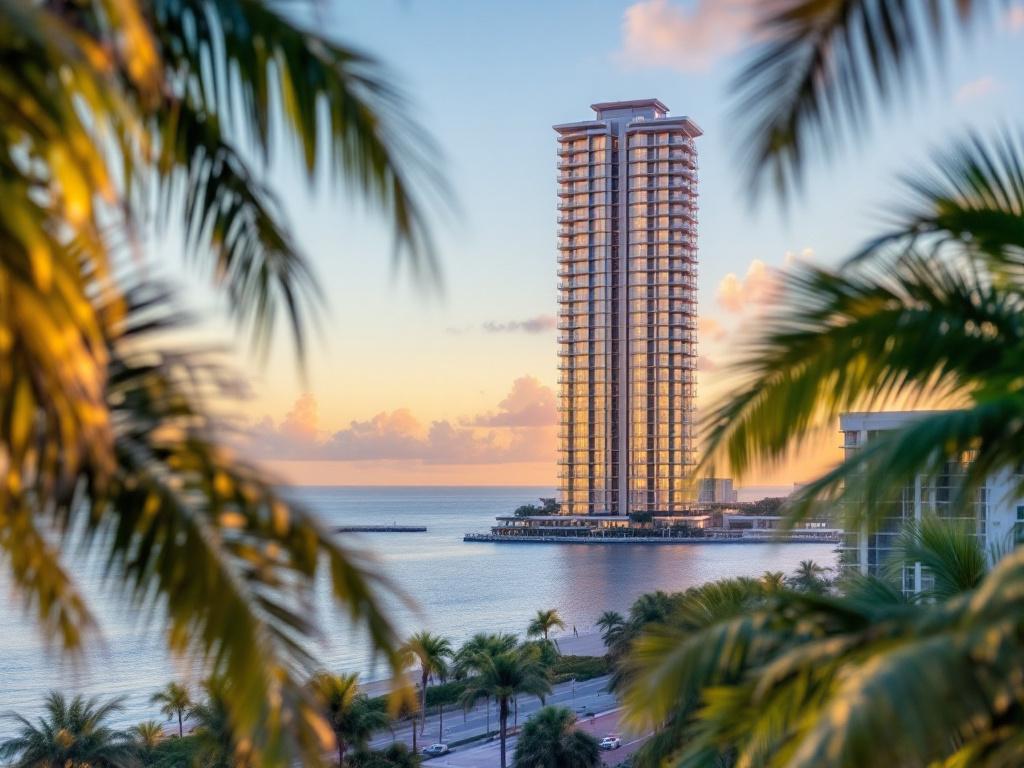
Table of Contents
- The Three-Tier Boca Raton Condo Market
- Coastal and Premium Communities
- Central Boca Communities
- West Boca and the Value Tier
- The Pre-Offer Vetting Checklist
- Financing and Offer Strategy
- The Boca Condo Buyer's FAQ
The Three-Tier Boca Raton Condo Market: Where Your Money Actually Goes
A useful condo for sale boca raton search starts with one decision the listing platforms refuse to make for you: which tier you are actually shopping. The map of Boca Raton condo communities organizes itself naturally into three bands based on geography, buyer profile, and the kind of amenity infrastructure each band supports. Across vendor listing platforms — including Million Luxury [VENDOR SOURCE], Palm Beach Property Listings [VENDOR SOURCE], and Buy Sell Homes Boca Raton [VENDOR SOURCE] — the same three groupings appear under different marketing language. Naming them clearly is the first analytical move.
The Coastal/Premium Tier sits east of Federal Highway (US-1), generally between Palmetto Park Road and Spanish River Boulevard. Inventory here is oceanfront or direct Intracoastal: One Thousand Ocean, Mizner Grand, Excelsior at Mizner Park, Aragon, Toscana. The buyer profile, per current listing materials, skews toward second-home owners, retired executives, and international buyers using the unit seasonally. Amenity infrastructure is built around private beach access, marina dockage, full concierge service, and valet. List prices commonly run from the low seven figures into the eight figures for penthouses.
The Central Tier occupies the corridor between I-95 and Federal Highway, anchored by Mizner Park, Royal Palm Place, and the Boca Raton Resort campus. Communities like Townsend Place, Mizner Tower, Presidential Place, and the condo inventory inside Royal Palm Yacht & Country Club fall here. The buyer is more often a year-round resident — a working professional, a downsizing couple, or someone who wants to walk to dinner rather than drive. Amenity logic centers on walkability, in-building fitness and pool, and proximity to the cultural anchors (Boca Raton Museum of Art, the Mizner Park Amphitheater).
The West Tier runs west of I-95 toward and past the Turnpike, into ZIP codes 33428, 33433, 33434, and 33498. Boca Pointe, Boca West Country Club, Cynthia Gardens [VENDOR SOURCE], Sandalfoot Cove, and Century Village live here. The buyer pool is the widest in the county: first-time buyers, value-driven retirees, investor-buyers where HOA rules permit, and younger families priced out of the coastal corridor. Amenity focus shifts to golf, large clubhouses, gated security, and lower HOA cost per square foot. Entry-level inventory is available below $300,000 in some sub-communities per current vendor listings.

The reason tier selection matters more than community selection within a tier: a central condo and a coastal condo at the same price point serve fundamentally different lifestyles, and a west-tier condo at half the price is not a worse purchase — it is optimized for a different buyer. A marina slip in Aragon and walkability to Mizner Park are not substitutes for each other. Neither is the value math of a renovated unit in Cynthia Gardens compared to seasonal beach access at Toscana.
The three sections that follow drill into each tier with specific community examples and the honest tradeoffs vendor listings tend to soften. Once you've identified your tier, you can narrow your search across active Boca Raton homes for sale to communities matching your actual criteria rather than the broad ZIP-code dragnet.
Boca Raton is not one condo market. It is three — and the tier you choose determines whether you're building equity or subsidizing amenities someone else uses.
Coastal and Premium Communities: What the Eight-Figure Price Tag Actually Buys
Premium-tier buyers are paying for three things, in this order: location scarcity (oceanfront and direct Intracoastal frontage cannot be replicated), staffing infrastructure (24/7 concierge, valet, doormen, on-site management), and brand prestige (the address itself functions as social signaling). Understanding the order matters because only the first category compounds in resale; the other two are operating expenses the next buyer will absorb through HOA fees.
The communities below define this tier in current listing materials across Million Luxury [VENDOR SOURCE] and Palm Beach Property Listings [VENDOR SOURCE].
- One Thousand Ocean. Oceanfront, directly south of the Boca Raton Resort & Club. Limited inventory — under 60 units total — which constrains supply during downturns and supports premium positioning. Owners can access Boca Raton Resort & Club amenities through separate club membership. The tightest, most service-heavy building in the tier.
- Mizner Grand and Mizner Tower. Located within the Boca Raton Resort & Club grounds. Mizner Grand offers larger horizontal floor plans; Mizner Tower is more vertical with broader views. Both confer Resort club access. Strong second-home demographic, which means seasonal occupancy patterns and a quieter building year-round.
- Excelsior at Mizner Park. Sits above Mizner Park retail. Geographically central-tier but priced and serviced as premium tier — making it a hybrid pick for buyers who want walkability to dining and culture without giving up full-service luxury. Worth a serious look if your tier instincts pull both ways.
- Aragon. Intracoastal-front, smaller building (roughly 40 units per current vendor listings), with deeded boat dockage. Appeals to buyers who prioritize privacy and water access over high-rise density. Resale velocity is slower because the buyer pool is narrow, but so is supply.
- Toscana. North Boca, three towers, oceanfront. Larger total inventory than the boutique buildings, which means more frequent resale activity and broader comp data — useful for appraisals. Appeals to buyers who want oceanfront living without the ultra-low-density premium of a building like Aragon.
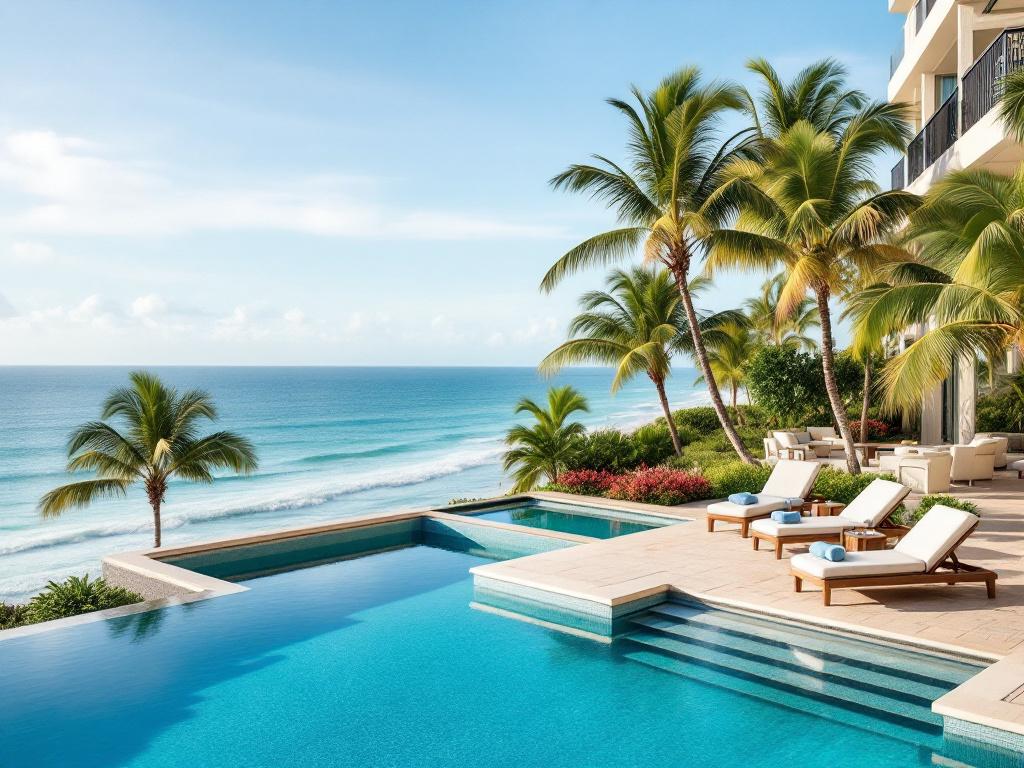
When comparing two premium buildings at similar prices, weight the durable scarcity features higher than the service features. Marina dockage, direct beach access, and unobstructed view corridors are scarce and physically irreplaceable — they hold value through cycles. Concierge service, valet, and a robust events calendar are operational line items that show up monthly in your HOA statement and rarely translate into resale premium. The buyer two transactions from now will pay for the dockage. They will not pay extra because the previous board ran a wine club.
Central Boca Communities: The Walkability Premium and Why It Holds Value
Central Boca is the tier where lifestyle and resale velocity are most balanced. Proximity to Mizner Park, Royal Palm Place, the Boca Raton Resort campus, and the area's cultural anchors creates a feature that cannot be added retroactively to a west-tier community: walkability. Walkability appeals to year-round residents and downsizing buyers from the suburbs simultaneously, which broadens the resale buyer pool — the single most underrated factor in condo liquidity.
| Community | General Location | Building Type | Notable Amenities | Buyer Positioning |
|---|---|---|---|---|
| Townsend Place | South of Mizner Park | Mid-rise | Pool, fitness, walk to Mizner | Year-round, downsizer |
| Mizner Tower | Within Boca Resort grounds | High-rise | Resort club, concierge | Hybrid 2nd-home/primary |
| Presidential Place | Oceanfront, north central | High-rise | Direct beach, large floors | Established, longer hold |
| Royal Palm Y&CC (condos) | South-central, gated | Low-rise in country club | Golf, yacht club, full club | Affluent, golf-priority |
Source: community amenity data drawn from Palm Beach Property Listings and Discover South Florida / Mastropieri Group [VENDOR SOURCES]; verify specific unit specifications in HOA documents before offer.
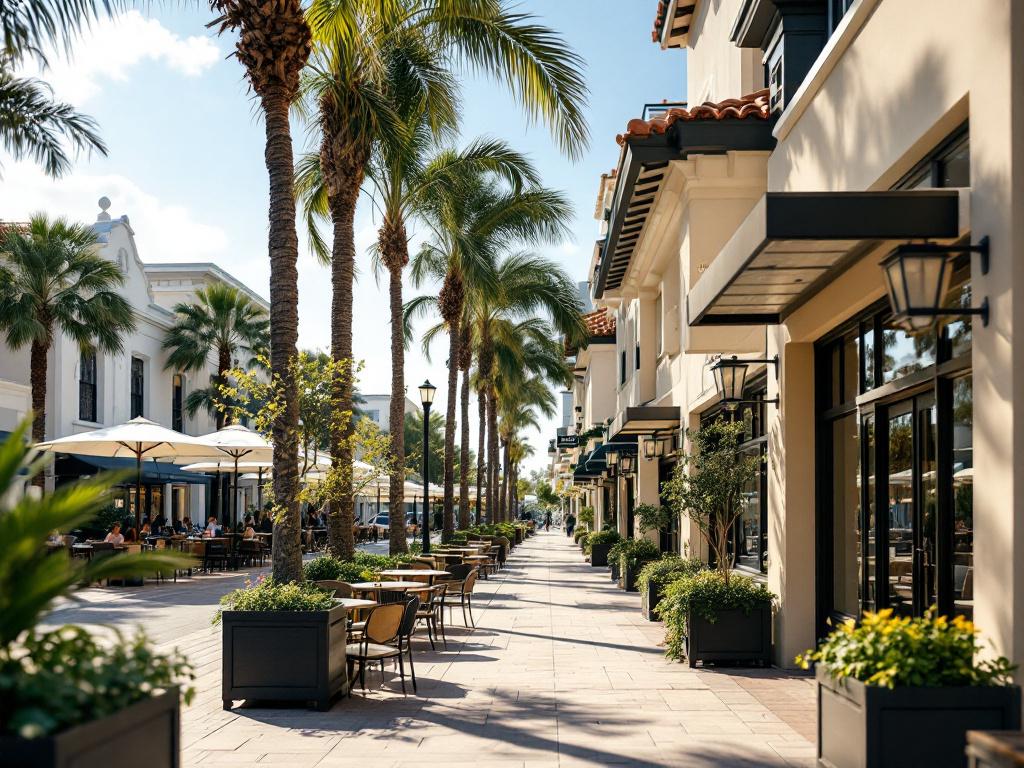
Three structural points are worth understanding before you offer in this tier. First, walkability protects against demographic cycles in a way few amenities do — downsizing buyers will continue wanting to walk to dinner regardless of broader market conditions, which means central-tier buildings have a more stable demand floor than amenity-heavy west-tier communities dependent on golf participation rates. Second, central-tier buildings often sit on smaller parcels with fewer total units, which limits supply shocks during downturns. When a building has 80 units instead of 800, even a wave of distressed sales doesn't flood the comp pool.
Third — and this is the cost side of the equation — HOA fees in central-tier buildings are typically higher per square foot than in west-tier communities, because shared amenity costs are spread across fewer units. A 60-unit building still needs an elevator service contract, master insurance policy, and reserve fund. The math just means each owner's share is larger. Before making an offer in any central building, request the last three years of HOA financials and the special assessment history. Buyers who plan to use a central condo seasonally should also evaluate Boca Raton property management options before closing, since absentee ownership in walkable buildings carries different exposure than a gated west-tier community where security infrastructure is built in.
West Boca and the Value Tier: Where First-Time Buyers and Investors Are Looking
Most condo buyers in Palm Beach County actually transact in this tier, and it deserves more honest coverage than the glossy treatment most premium-focused guides give it. West Boca extends from west of I-95 into ZIP codes 33428, 33433, 33434, and 33498. The communities developed largely between the 1970s and 1990s, with newer pockets of construction continuing through the 2010s and 2020s. The age of the inventory matters — it shapes everything from plumbing risers to insurance premiums to the kind of renovation budget you should mentally hold in reserve.
Four community archetypes define the tier:
Boca Pointe. Gated, golf-centric, organized as multiple sub-communities under a master association. Mix of condos and villas. The HOA structure includes mandatory club membership tiers per current listings [VENDOR SOURCE]; buyers must verify which membership level is required at closing, because the tier you inherit can carry significant monthly cost beyond the HOA itself. Appeals to active retirees who want a self-contained community.
Boca West Country Club. Geographically west-tier but priced into central-tier territory because of club prestige. Massive amenity package: multiple golf courses, tennis, dining venues, clubhouse infrastructure. The critical due-diligence item — and the one most buyers fail to budget for — is that equity membership is required for many units. That means a separate club initiation fee on top of the purchase price, which can run into the six figures depending on the membership category. Verify this before you tour. Buyers comparing this kind of master-planned, club-anchored community structure to other Florida options often find useful parallels in our Lakewood Ranch FL real estate guide, where similar membership-and-amenity dynamics shape pricing.
Cynthia Gardens. Smaller-scale community, older construction, pet-friendly, with HOA fees lower than country-club communities per community materials [VENDOR SOURCE]. Represents the entry-level west-tier archetype: minimal shared amenities, lower fees, value-driven buyer. The right choice for buyers prioritizing low monthly carrying cost over amenity density.
Sandalfoot Cove and Century Village. Established communities with strong rental investor presence in some sub-buildings. Owner-occupancy ratios vary widely building to building, and this number matters more than the listing price for one specific reason: financing. Buildings with high investor concentration are flagged as non-warrantable by Fannie Mae and most conventional lenders, which pushes you into portfolio loans at higher rates and higher down payments.
Now to the appreciation question, which deserves a direct treatment rather than the hand-waving most buyer guides give it. Vendor listings across the Boca Raton market frequently characterize west-tier communities as appreciating faster than the central tier in the current cycle, citing demographic shifts toward first-time buyers and value-priced inventory [VENDOR SOURCES across Palm Beach Property Listings, Gaffry Homes, Buy Sell Homes Boca Raton]. This claim is directionally consistent across multiple listing platforms but has not been independently verified against Palm Beach County Property Appraiser sales data for this article. Buyers acting on this premise should request a 24-month comparative market analysis from a Boca Raton real estate advisor with direct access to county records, pulled by specific community and unit type, before treating appreciation as a given. The story may be true. It may also be a vendor narrative that has not yet been stress-tested against actual closed transactions.
The tier's actual structural strengths hold regardless of the appreciation question. Lower entry pricing means the same down payment buys substantially more square footage. Lower HOA fees mean a lower carrying cost month over month, which compounds into meaningful capital differences over a five- or ten-year hold. Gated and golf-organized communities offer a self-contained lifestyle that doesn't require leaving for daily activity, which appeals to buyers in retirement and to investors targeting tenants who want the same. For buyers prioritizing capital efficiency over walkability, west-tier is structurally the right answer — and that conclusion stands even before the appreciation debate is settled. Investors weighing geographic alternatives within Florida's value tiers might also compare west Boca's economics against markets like the Sebring, Florida home buying guide covers, where entry pricing and carrying costs are structured differently.
West-tier buyers should treat appreciation claims from listing platforms as a hypothesis to verify, not a fact to act on. Pull the county comps before you pull the trigger.
The Pre-Offer Vetting Checklist: Ten Questions That Predict a Good Boca Condo Purchase
This is the section to screenshot and bring to showings. Each item is a document request, a number to verify, or a question to ask in writing. Vendor listing materials will not surface these on their own — you have to ask.
- Pull the HOA's last three years of audited financials. Reserve fund balance, operating fund balance, and any deficit financing should be visible on the balance sheet. A reserve fund running thin relative to the building's replacement cost is a yellow flag in Florida's post-Surfside environment; an actively underfunded reserve combined with a deferred maintenance backlog is a red flag that almost always becomes a special assessment.
- Request the special assessment history and any pending assessments. A condo with a $40,000 pending assessment is a $40,000 more expensive purchase than the listing price implies. Ask specifically: are there any recommended-but-not-yet-passed assessments currently in committee? Sellers and listing agents are often technically truthful when they say no assessment has been "approved."
- Verify the owner-occupancy ratio in writing. Buildings with more than 50% non-owner-occupied units (investor-owned, leased) face stricter conventional financing standards and may be classified as non-warrantable. This single number can determine whether your loan closes or pivots into a portfolio product at higher rates. Get the figure from the HOA directly, not the listing agent.
- Check rental restrictions and minimum lease terms. Some Boca communities prohibit rentals entirely. Others allow only annual leases. A small subset permit shorter terms. If you ever plan to rent the unit — including to extended family — this rule is binding and rarely changeable through HOA amendment without supermajority approval.
- Confirm the age and condition of major building systems. Roof, plumbing risers, HVAC chillers, elevators, and concrete restoration history. A 1985 building with original plumbing risers is on borrowed time, and a riser failure can cascade into a multi-unit water-damage claim. Ask for the most recent engineering report and any structural integrity documentation the building has prepared under post-Surfside reform requirements (Florida Statutes Chapter 718).
- Pull the building's insurance claims history. Florida's hurricane and flood insurance market has been volatile, and a building with multiple recent claims may face uninsurable status or sharply rising master policy premiums. Those increases pass through directly as HOA fee increases, sometimes 15-25% in a single year.
- Map the unit's hurricane vulnerability. Floor matters — higher floors carry more wind exposure, lower floors more flood and storm surge risk. Verify impact-rated windows, shutter requirements, and the building's evacuation zone classification. A unit on the third floor of a coastal building has materially different storm exposure than one on the eighteenth.
- Verify parking allocation in writing. Some Boca buildings deed parking spaces to specific units; others assign them at the HOA's discretion. Deeded parking is property and conveys at sale. Assigned parking is a privilege the board can reorganize. The difference matters at resale and can matter monthly if you have multiple vehicles.
- Run the pet policy before falling in love with the unit. Weight limits, breed restrictions, and number-of-pets caps vary widely across Boca buildings and are written into the declaration. They are rarely waived. If your dog disqualifies you from the building, find out before the inspection period, not after.
- Read the last twelve months of board meeting minutes. This is the single highest-signal document in condo due diligence. Minutes surface what marketing materials hide: pending lawsuits, contentious special assessment debates, vendor disputes, resident complaints, and the early signs of a board losing control of building operations. If a seller's agent resists providing minutes, treat the resistance itself as data.
Any community can pass items one through nine and fail item ten. The board minutes are the document that distinguishes a well-run building from one heading toward expensive trouble in the next 24 months. Buyers who skip them are buying the brochure, not the building. The same diligence that protects your purchase also protects your exit — buyers who later need to sell your Boca Raton home will find that buildings clearing this checklist resell faster and at tighter spreads than buildings with hidden HOA dysfunction.
A community's board meeting minutes will tell you more about your future ownership experience than every amenity brochure combined. Read them before you write the offer.
Financing and Offer Strategy: Winning a Boca Condo in Today's Market
Condo financing is materially different from single-family lending, and most buyers learn this after their pre-approval meets a building's project review. The building itself must qualify, not just you. The six items below are the operational moves that separate offers that close from offers that stall.
- Get pre-approved with a lender who underwrites Florida condos regularly. Condo project review is its own discipline, and a generalist lender unfamiliar with post-Surfside reserve documentation and Florida master insurance norms can stall a closing for weeks while they figure it out. Ask the lender directly: how many Boca Raton condos have you closed in the last twelve months? If the number is under five, find another lender.
- Confirm whether the building is warrantable before you offer. Warrantable condos qualify for conventional Fannie Mae and Freddie Mac financing. Non-warrantable buildings — typically those with high investor concentration, pending litigation, inadequate reserves, or significant commercial space — require portfolio loans, often at higher rates and with down payments commonly running 25% or more depending on the lender. Ask your lender to confirm the building's status before you tour the second time.
- Build appraisal-gap language into your offer. Boca condo appraisals can come in below contract price, particularly in buildings with thin recent comp data or unusual unit types (penthouses, combined units, dock-included sales). An appraisal-gap clause — you'll cover up to a defined dollar amount above appraised value — protects your bid in competitive situations without writing a blank check.
- Request the full HOA document package within 48 hours of acceptance. Florida law gives buyers a defined inspection and review period for condo documents. Use it actively. The package should include the declaration, bylaws, current operating budget, reserve study, recent meeting minutes, and any pending litigation disclosure. Buyers who wait until day eight of a fifteen-day window to request documents lose negotiating leverage by default.
- Structure your inspection contingency to include common elements. A standard home inspection covers the unit interior. For a condo, you also want eyes on the building exterior, common mechanical systems, and any visible signs of structural distress — spalling concrete, water staining in garages, balcony deterioration, rust streaks below balcony lines. A unit can be flawless inside a building that is failing outside.
- Time your offer to the seller's leverage, not just the listing date. Days-on-market matters more in condo negotiations than in single-family. A unit that has sat 60+ days, particularly in a building with multiple active listings, gives the buyer pricing leverage that a fresh listing does not. Listing platforms tend to report DOM by listing rather than by property — ask your agent to pull the property's full transaction history including any prior cancelled or expired listings.
The best offer in this market is rarely the highest one. It is the one structured to actually close — with financing aligned to the building's warrantability, contingencies that match the asset class, and a timeline calibrated to the seller's actual leverage rather than the listing photo. Buyers exploring waterfront alternatives along Florida's east coast may also find the dynamics in our coverage of Stuart, Florida real estate instructive for comparing offer-structure norms in different waterfront markets.
The Boca Condo Buyer's FAQ: Direct Answers to the Questions That Decide Your Purchase
What's the actual difference between a Boca Raton condo and a townhome?
A condo owner holds title to the unit's interior airspace plus a percentage interest in common elements. A townhome owner typically owns the structure and the land beneath it. Practically: condo owners pay HOA fees that cover the building exterior, roof, and common systems; townhome owners maintain their own structure but usually pay lower HOA fees covering only shared amenities. In Boca, most waterfront and high-rise inventory is condo; most central and west residential inventory includes both. For financing, condos face stricter lender review than townhomes because the building itself must qualify, not only the borrower.
What's a reasonable HOA budget, and will fees go up?
HOA fees in Boca run from roughly $400/month in older west-tier value buildings to $3,000+/month in premium-tier oceanfront buildings with concierge and full amenity packages, based on current vendor listing observations [VENDOR SOURCES]. Fees nearly always increase year over year — Florida's insurance market, post-Surfside reserve requirements, and general inflation all push premiums up. Budget for about 5-10% annual increases as a baseline, plus the possibility of special assessments for major capital projects (roof replacement, concrete restoration, mechanical system overhaul). Buyers who stress-test their carrying cost against fee inflation make better long-term decisions than buyers who underwrite to today's payment.
Are Boca Raton condos good investment properties?
It depends entirely on the building's rental rules and owner-occupancy ratio. Buildings that allow short-term or seasonal rentals can produce strong returns in Boca's seasonal market, but most desirable buildings restrict rentals to annual leases or prohibit them entirely. Investor-heavy buildings face financing challenges that compress the future buyer pool and can appreciate more slowly than owner-occupied buildings. Before treating any Boca condo as an investment, verify rental rules in the recorded declaration, not the marketing materials, and run the math against realistic vacancy and HOA-increase assumptions rather than peak-season pro formas.
Which Boca communities allow short-term rentals?
Short-term rental policies vary building-by-building and can change through HOA amendment — sometimes mid-ownership. As a general pattern from current listings [VENDOR SOURCES], some west-tier and central condo buildings permit rentals down to 30-day minimums; many premium-tier and country-club communities require annual leases or owner-occupancy; a small number of resort-adjacent buildings allow shorter terms. Never rely on a listing description for this. Always confirm in writing with the HOA and request the specific declaration page that governs rentals before closing. The listing agent's understanding of the rule is not the rule.
How long does a typical Boca condo closing take?
Cash closings in Boca commonly close in 14-30 days. Financed closings typically run 30-45 days, but condo financing can extend beyond 60 days when the lender's project review surfaces issues — incomplete HOA documentation, pending litigation, insufficient reserves, or unresolved structural integrity questions. The closing timeline is driven more by the building's documentation readiness than by the buyer or seller. Buildings with organized HOA management and current reserve studies close faster, which is itself a quality signal worth weighting in your tier selection.
I've identified my tier and a few communities — what's my actual next move?
Schedule showings in two or three buildings within your target tier, ideally on the same day for direct comparison. Request the full HOA document package for any serious building before your second visit. Get pre-approved with a lender who has closed Boca condos in the last twelve months, not a generalist. Pull a 24-month comparative market analysis for the specific building, not the broader neighborhood. Then make your offer within 48 hours of identifying the right unit. Start by narrowing the active Boca Raton homes for sale to your target tier and building type — Boca's best inventory moves quickly, and indecision is the most common reason qualified buyers lose to other offers in this market.