
Jupiter, FL Real Estate Guide: Luxury Living and Investment Opportunities
Homes for Sale in Jupiter, Florida: What the Numbers Say Before You Tour a Single Property
You've narrowed your search to Jupiter, but the market you're entering isn't one market — it's two, and they're moving in opposite directions. Mainstream price tiers are softening while luxury waterfront tightens, and the difference between a buyer who recognizes that bifurcation and one who doesn't is often six figures at closing.
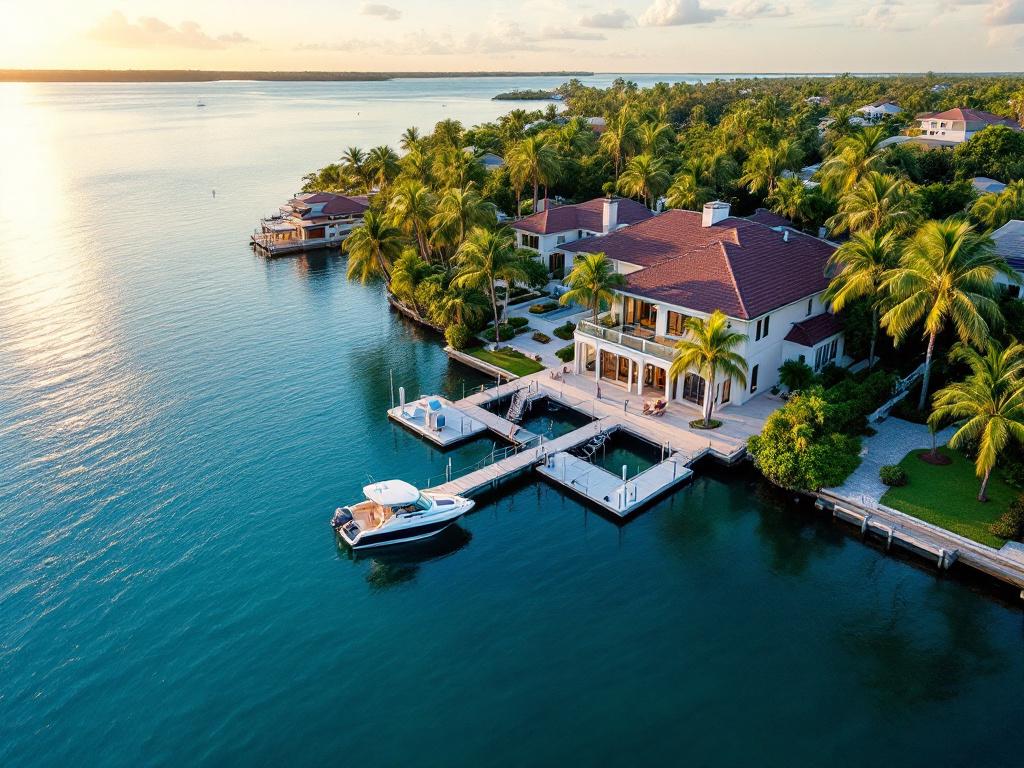
Here's where homes for sale in Jupiter, Florida actually sit as of March 2026. The median sale price is $784,490, down 1.85% year-over-year but up 4.41% month-over-month, according to Realtor.com. Active inventory has compressed to 905 listings, off 4.35% from a year ago. Median days on market sit at 85 days — a 14.12% increase YoY, signaling that buyers are taking longer to commit. And per HomesAroundJupiterFL.com, roughly 50% of Jupiter listings carried price reductions in January 2026.
Read those four numbers together and the implication is concrete: sellers are anchored to last year's expectations while buyers are pricing in a softer cycle. That gap is leverage.
Buyers in Jupiter today have leverage that didn't exist 18 months ago — but only if they know which segments are softening and which are still moving fast.
The rest of this guide breaks the decision down by submarket, price tier, property type, and holding horizon — the four variables that determine whether a Jupiter purchase compounds value or erodes it. If you're between $800K and $3M and weighing waterfront against inland, this is built for your decision. Jupiter sits within the broader South Florida coastal market that Boca Banyan Realty covers, and the dynamics translate across the corridor.
Table of Contents
- Jupiter City vs. Jupiter Farms: Where the Two Submarkets Diverge
- What $800K, $1.5M, and $3M+ Actually Buys in Jupiter Right Now
- New Construction vs. Resale Homes: The Trade-Offs Most Buyers Underestimate
- Waterfront vs. Inland Jupiter Homes: The Cost-of-Ownership Math
- The Pre-Offer Inspection Checklist for Jupiter Buyers
- How Long to Hold a Jupiter Home: Matching Property Type to Investment Horizon
- Your Jupiter Buyer's Decision Framework: 7 Questions Before You Make an Offer
Jupiter City vs. Jupiter Farms: Where the Two Submarkets Diverge
Jupiter is not one market. Jupiter City — denser, closer to the Inlet and the Intracoastal — and Jupiter Farms — rural, equestrian-friendly, west of the Turnpike — are pricing and absorbing inventory at materially different rates. Treating them as a single average is the fastest way to misread your actual buying conditions.
| Metric | Jupiter City | Jupiter Farms |
|---|---|---|
| Median sale price | $784,490 | $958,000 |
| YoY price change | -1.85% | +21.7% |
| Median days on market | 85 | 122 |
| YoY DOM change | +14.12% | +96.8% |
| Price per sq ft | $447 | $391 |
Sources: Realtor.com (Jupiter City); Redfin (Jupiter Farms, March 2026). Sale-to-list ratio for Jupiter City: 96% per Realtor.com.
The Jupiter Farms numbers tell a story that requires unpacking. A +21.7% median price increase alongside a +96.8% jump in days on market is the classic thin-market, skewed-median pattern: a small number of high-end equestrian estate sales pulled the median up while the broader Farms inventory sits longer waiting for buyers. Do not treat that 21.7% as appreciation you can capture. It reflects the mix of what closed, not what comparable properties are doing. Before offering on anything in the Farms, verify comparable sales within one mile and the last 90 days — and weight the data by acreage, not just by structure size.
Jupiter City reads differently. The slight YoY price decline (-1.85%), tighter price-per-square-foot premium ($447 vs. $391), and 85-day DOM signal a market that's softer but still liquid. The 96% sale-to-list ratio confirms sellers haven't capitulated — but with 50% of listings reducing prices, the effective negotiation window has widened from where it was 18 months ago. Buyers can negotiate. They won't find dramatic discounts. They will find more reasonable counter-offers than they would have in 2023.
The buyer-fit logic is straightforward. Equestrian priorities, acreage requirements, willingness to accept a longer resale timeline at exit — Jupiter Farms. Walkable proximity to water, smaller lot acceptable, faster resale liquidity — Jupiter City.
Other neighborhoods buyers commonly consider — Admiral's Cove, Jupiter Inlet Colony, Abacoa, Old Jupiter, Limestone Creek — don't have aggregate-site data published at a level reliable enough to quote here. That's not a gap in your research; it's a structural limitation of how listing aggregators report. Submarket-level numbers for those communities require direct MLS pulls, which is where working with a local advisor matters. Comparable depth is visible in listings across the South Florida corridor — the methodology is the same, the data just has to be assembled rather than scraped.
What $800K, $1.5M, and $3M+ Actually Buys in Jupiter Right Now
The median is a blunt tool. It tells you nothing about what specific dollars buy at specific addresses. Here's how the four working tiers map to property attributes in 2026, with realistic expectations on each. For buyers comparing Jupiter pricing against other Florida markets at similar tiers, the Lakewood Ranch FL real estate guide is a useful cross-state reference.
$800K–$1.2M: The Entry Tier, Near the Current Median
This is where the largest buyer pool sits and where resale liquidity is strongest. Realistic expectations:
- 3BR/2BA single-family, 1,800–2,400 sqft
- Inland or golf-adjacent communities (Abacoa, Indian Creek, Maplewood) — not waterfront
- Built 1990s–2010s; most properties need cosmetic updates (kitchens, flooring, sometimes baths)
- HOA dues typical: $150–$400/month
- Resale liquidity: strongest of any Jupiter tier — broadest buyer pool
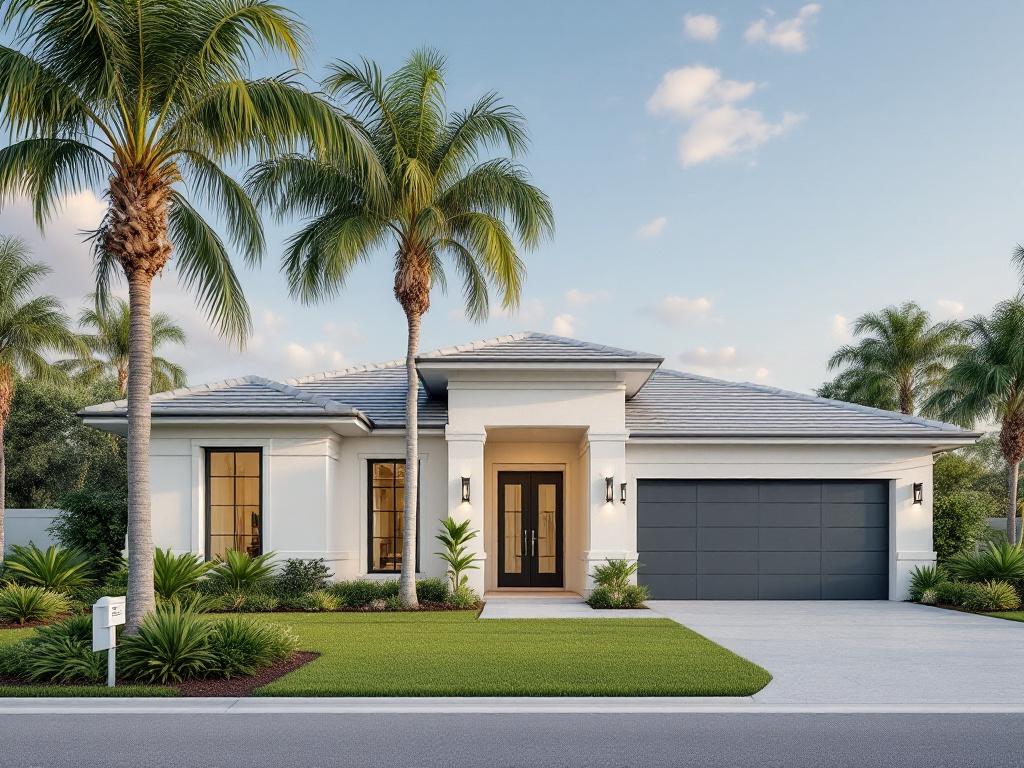
$1.5M–$2.5M: Move-Up and Second-Home Buyers
The tier where gated-community amenities and newer construction become standard. Buyer expectations shift from "good house in Jupiter" to "specific lifestyle inside a specific community."
- 4BR/3BA, 2,800–3,800 sqft
- Gated communities with golf access (Jonathan's Landing area, perimeter of The Bear's Club) or Intracoastal-adjacent — though rarely direct frontage at this price
- Often newer construction or recently renovated to current finishes
- HOA: $400–$1,200/month; some include golf or marina access
- Pool typical; 2-car garage standard, 3-car common
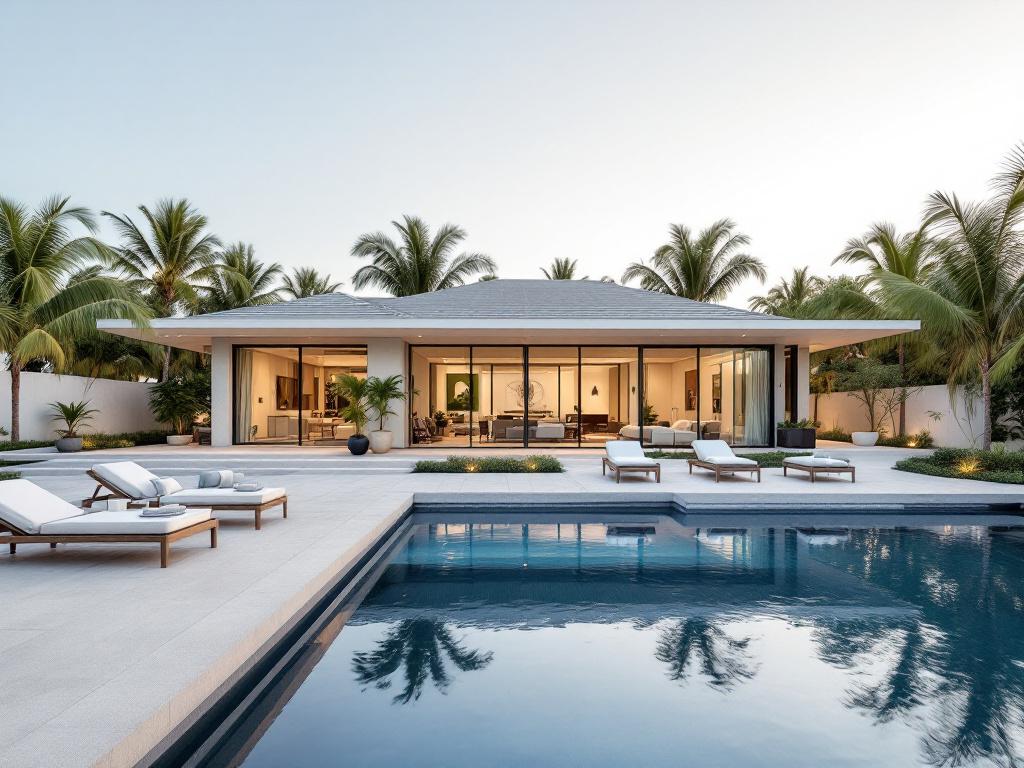
$2.5M–$5M: Waterfront Entry and Luxury Inland
This is where waterfront enters the conversation seriously and where carrying costs start to matter as much as purchase price.
- Direct Intracoastal or Loxahatchee River frontage with private dock at the lower end of this range; deepwater dockage typically requires the upper end
- 4–5BR, 4,000–6,000 sqft
- Built 2000s+ or recently renovated to current Florida Building Code hurricane standards
- Insurance is materially higher — request prior-year premium disclosures from the seller before drafting an offer
- Resale buyer pool narrows; expect a 90–150 day marketing window at exit

$5M+: Ultra-Luxury, Admiral's Cove and Jupiter Island Adjacency
According to FOX Business reporting on the Jupiter luxury market, the median luxury home price has moved from roughly $530K five years ago to about $980K today, with ceiling sales reaching $48M. Treat those figures as agent-quoted segment data, not verified statistics — luxury transaction volume is thin enough that the median is statistically unreliable.
- Deepwater dockage, ocean access, often architect-named properties
- Buyers should verify comparable sales individually rather than trusting tier medians
- Marketing windows often 6–12 months; price discovery happens through direct negotiation, not list-price anchoring
At every tier above $2.5M, insurance premiums, HOA reserve adequacy, and seawall condition shift from checklist items to deal-breaking variables. The next two sections cover why.
New Construction vs. Resale Homes: The Trade-Offs Most Buyers Underestimate
Aggregate data on new construction inventory in Jupiter is thin, and that's itself a signal. When city-level builder activity isn't well-tracked publicly, buyers should pull builder-specific data directly rather than rely on averages. The trade-offs below are the ones that actually move closing terms.
| Factor | New Construction | Resale |
|---|---|---|
| Typical close timeline | 8–12 weeks (spec) / 6–12 months (build) | ~53 days |
| Builder warranty | 1-yr workmanship / 2-yr systems / 10-yr structural | None |
| FBC hurricane code | Current (post-2010 standards) | Varies — verify roof year |
| HOA reserve risk | Minimal (new development) | Buyer inherits fund health |
| Customization | High (build) / Limited (spec) | None — buy as-is or renovate |
| Negotiation leverage | Low (builder pricing firm) | Higher (96% sale-to-list, dropping) |
Sources: Zillow Jupiter market data for resale DOM; standard Florida builder warranty practice; Florida SB 4-D legislation context.
Closing timeline. A relocating buyer with a hard date should default to resale. New construction adds about 8–12 weeks for spec inventory and 6–12 months for to-be-built — and builder timelines slip far more often than they hold. Resale closes at a Jupiter median of roughly 53 days per Zillow, with 30–45 days realistic for a clean transaction.
Warranty and systems risk. New construction in Florida typically includes a 1-year workmanship warranty, 2-year systems coverage (HVAC, plumbing, electrical), and 10-year structural. Resale carries none of that — the buyer absorbs roof age, HVAC age, and seawall condition risk. This isn't an argument for new construction; it's an argument for accurate underwriting on resale. A 12-year-old roof on a $1.4M resale isn't a defect, but pricing the offer as if it's a 2-year-old roof is a $25K mistake.
Florida Building Code matters more than year built. Homes built post-2002 (FBC adoption) and especially post-2010 (revised wind-load standards) are materially more storm-resilient. That affects insurance premiums and resale value. On resale properties, verify the roof year specifically — not just the original construction year. A 1995 home with a 2019 roof and impact windows insures very differently than a 1995 home with the original roof.
HOA reserves are where resale carries hidden cost. In an established community, the buyer inherits the reserve fund's adequacy. Florida's post-Surfside legislation (SB 4-D, requiring structural integrity reserve studies for condos 3+ stories) has triggered special assessments in older communities. Single-family HOAs aren't subject to SIRS, but buyers should still pull the last three years of HOA financials, meeting minutes, and any pending assessment notices. Buyers planning to rent out the property should also factor in property management considerations before closing — HOA rules around rentals vary widely.
Negotiation leverage. Builder pricing in 2026 is firm. Builders will offer concessions on rate buy-downs, design center credits, or closing costs before they cut headline prices, because price cuts hurt the comps for unsold inventory. Resale sellers — particularly the 50% who've already reduced — have demonstrated price flexibility.
New construction in Jupiter buys you predictable systems and a current building code. Resale buys you negotiation leverage and an immediate move-in — and forces you to underwrite every system the seller hasn't replaced.
Waterfront vs. Inland Jupiter Homes: The Cost-of-Ownership Math
Comprehensive waterfront-vs-inland appreciation data isn't published at the city level for Jupiter, and most claims about waterfront premiums originate from agent-side sources without independent verification. What you can verify — and what you must investigate yourself before any waterfront offer — is the cost-of-ownership stack.

| Factor | Waterfront | Inland / Golf-Adjacent |
|---|---|---|
| Flood insurance required | Yes (if in SFHA) | Often no (verify zone) |
| Typical hurricane premium | Materially higher | Standard coastal range |
| Storm exposure | Surge + wind | Wind + tree fall |
| HOA/dock add-ons | Marina fees common | Golf initiation possible |
| Buyer pool | Narrower (luxury/2nd home) | Wider (primary residence) |
| Resale liquidity | Slower in soft market | Faster, more cyclical |
Sources: FEMA Risk Rating 2.0; Citizens Property Insurance; NOAA Atlantic hurricane history.
Flood insurance reality. Direct waterfront and homes in FEMA Special Flood Hazard Areas (SFHA — Zones AE and VE) require flood insurance through NFIP or private carriers. Premiums under FEMA's Risk Rating 2.0, which rolled out in 2021–2023, are now individualized to each property and have risen materially for coastal Florida. Pull the property's flood zone designation at FEMA's Flood Map Service Center before submitting any offer. Zone X is preferred risk; Zones AE and VE are not.
Wind and hurricane insurance. Citizens Property Insurance Corporation is Florida's insurer of last resort, and for many Jupiter coastal properties it has become the primary option as private carriers have exited the state or aggressively repriced coastal exposure. Request the seller's prior-year premium history and a 4-point inspection report (roof, electrical, plumbing, HVAC) before committing. If the seller can't or won't produce these, treat it as a material risk factor and price the offer accordingly.
HOA and dock fees layer. Waterfront communities often add marina or dock fees on top of base HOA dues — sometimes $200–$800/month for slip access, separately from the base assessment. Inland golf communities carry their own layered cost: equity-membership initiation fees ranging from $25K to $200K+ depending on the community, which may or may not be required for property ownership but often gate the lifestyle most buyers expect from the address.
Hurricane exposure history. Jupiter sits in a moderate-exposure zone. Frances and Jeanne (2004), Wilma (2005), Irma (2017), and Nicole (2022) all caused regional impact. Direct waterfront homes face storm surge risk. Inland homes face wind and tree-fall risk. Both require updated roofs and impact-rated openings to insure affordably — the difference is which catastrophe you're underwriting against.
Buyer pool and resale liquidity. Inland homes serve a wider buyer pool: primary residents, families, retirees. Waterfront narrows the pool to second-home and luxury buyers, which expands marketing time at exit but also means waterfront and inland values often diverge in cycles. Soft markets compress the inland tier faster; downturns hit waterfront harder when luxury buyers pull back.
After all that, the buyer profiles sort cleanly:
- The Lifestyle-First Buyer — boating priorities, water access non-negotiable. Waterfront, but budget roughly 30–50% additional annual carry for insurance, dock maintenance, and seawall reserve vs. a comparable inland property.
- The Investment-First Buyer — 5–10 year hold, ROI focus. Inland or golf-adjacent in a strong school zone delivers more predictable resale liquidity. School-zone effects on resale are well-documented; the dynamics covered in school district impact on real estate prices translate directly to Jupiter's Palm Beach County boundaries.
- The Hybrid Buyer — Intracoastal access without direct frontage. Communities with shared marina access (Jonathan's Landing, Admiral's Cove for higher tier) split the difference: water access without the individual insurance and seawall burden of direct frontage.
Waterfront in Jupiter isn't a price decision — it's an annual cost-of-ownership decision that compounds for as long as you hold the asset.
The Pre-Offer Inspection Checklist for Jupiter Buyers
Each item below is a discrete verification step you (or your advisor) execute before submitting an offer. The order matters — items 1 through 4 surface the largest hidden costs in Jupiter purchases.

- Pull the FEMA flood zone designation at msc.fema.gov. Enter the property address. Zones AE and VE require flood insurance and carry materially higher premiums under Risk Rating 2.0. Zone X is preferred risk but flood insurance is still recommended for any property within roughly one mile of the coast — Jupiter's elevation profile means non-SFHA flooding still happens.
- Request the seller's prior-year insurance premium and 4-point inspection report. A 4-point covers roof, electrical, plumbing, and HVAC. If the seller can't produce one, budget for a fresh inspection — insurers will require it for any home over 30 years old, and you need the number before you write terms, not after.
- Verify roof age and material. Asphalt shingle in coastal Florida averages 15–20 years of functional life; concrete or clay tile averages 25–40. Homes with roofs older than 15 years face insurer surcharges or outright refusal of coverage. Pull the permit history through Palm Beach County Building Division records (discover.pbcgov.org/pzb/building/) — a verbal claim of "roof's about 10 years old" is not underwriting.
- Inspect the seawall and dock if waterfront. Concrete seawalls in saltwater environments have a 30–50 year functional life. Replacement runs roughly $1,200–$2,000 per linear foot in Palm Beach County. A 100-foot seawall nearing end-of-life is a $120K–$200K liability hiding behind a clean exterior. This is the single largest hidden cost in Jupiter waterfront purchases. Get a marine contractor's assessment, not just a general home inspector's note.
- Pull three years of HOA financials and meeting minutes. Look for special assessments levied or pending, reserve fund adequacy, and any litigation. Florida HOA documents are accessible to buyers under contract per Florida Statutes §720. Reserve studies that show reserves below 70% funded are a yellow flag; below 50% is a red one.
- Confirm the property is not subject to a pending special assessment. Even if the HOA appears solvent, pending assessments — roof replacement, seawall repair, clubhouse renovation — can be passed to the buyer at closing. Get this in writing on the HOA estoppel letter, and read the most recent two board meeting minutes specifically for assessment discussions.
- Order a wind mitigation inspection. Impact-rated windows, roof tie-downs, secondary water resistance, and a hip roof shape can reduce wind insurance premiums by roughly 30–60%. The inspection costs $75–$150 and pays back annually for as long as you hold the property. If the seller has a recent wind mit on file, request it — but verify it's still current (most are valid for 5 years).
- Run a salt-air corrosion check on metal fixtures. AC condensers, exterior light fixtures, garage door springs, and aluminum railings degrade roughly 2–3x faster within one mile of the ocean. Inspect for rust, pitting, and replacement age. A condenser at year 8 inland may be at year 4 of effective life on the barrier island.
- Verify school zone assignments at the Palm Beach County School District site. Boundaries are reassigned periodically; the listing's stated school is not guaranteed. Confirm directly with the district. School zone affects resale value materially in family-buyer segments — and in Jupiter, the difference between two adjacent zones can shift the buyer pool meaningfully at exit.
- Pull comparable sales within one mile and 90 days, on the same water body or community. This is the single strongest negotiation tool. With 50% of Jupiter listings seeing price reductions, anchoring an offer to last year's comps is the most common buyer mistake. Recent comps — same waterway, same community, last 90 days — are the only number that matters when drafting terms. Buyers who eventually become sellers in this market will appreciate the discipline; the same comp-anchoring approach applies when you list a Florida property for sale.
How Long to Hold a Jupiter Home: Matching Property Type to Investment Horizon
Holding period is the variable that quietly determines whether a Jupiter purchase compounds value or absorbs it. The current market signals reward some horizons and punish others.
The 5-Year Holder (Relocation, Lifestyle Pivot, Flexible Timeline)
- Current market signals caution for short holds: median price down 1.85% YoY, 50% of listings reducing, DOM up 14% YoY
- A buyer entering in 2026 with a 5-year exit is buying near or after the local cycle peak. Realistic expectation: flat to modest appreciation, not the 8%+ annual gains of 2020–2022
- Best fit: inland or golf-adjacent properties under $1.5M with broad buyer pools at exit
- Avoid: waterfront with thin buyer pools and high carrying costs — the math gets brutal if you exit into a soft luxury cycle
- Net: only buy if the lifestyle return justifies the possibility of a flat resale
The 10–15 Year Holder (Primary Residence, Family Stage)
- Long-hold horizons absorb cyclical drawdowns. Jupiter's structural drivers — limited developable land, coastal premium, top-tier Palm Beach County schools — support long-run appreciation regardless of 2026 entry timing
- Property type matters less than location quality and code compliance
- A post-2010 FBC home in a stable HOA with funded reserves outperforms a "trophy" waterfront with deferred maintenance every cycle
- Net: enter the market when the right property surfaces; don't try to time the cycle
The Forever Buyer (Retirement, Multigenerational, No Resale Plan)
- Optimize for lifestyle and carrying-cost predictability, not appreciation
- Insurance trajectory matters more than purchase price. A waterfront home with a $25K annual insurance bill compounds to roughly $375K over 15 years before any premium increases — and Florida coastal premiums have not been flat
- Consider gated, golf-adjacent communities with predictable HOA structures over high-variance waterfront
- Net: budget for total cost of ownership over your expected hold, not just purchase price
The Investment / Rental Buyer
- Median Jupiter rent is $3,500/month per Realtor.com, down 8.57% YoY — the rental market is softening in parallel with the for-sale market
- Long-term rental yields at the current $784K median price imply roughly a 5.4% gross yield before expenses, taxes, insurance, and HOA. Net yields after coastal-Florida insurance burdens often fall below 2%
- Jupiter is not a yield play. It is a capital-preservation and lifestyle-asset market
- Investors seeking yield should look at lower-priced inland Florida markets — the math behind that strategy is laid out in detail for Palatka and similar inland Florida investment markets
- Net: buy Jupiter for capital preservation and personal use, not cash flow
Jupiter is a capital-preservation and lifestyle market, not a yield market. Buyers who try to make it both usually pay for the mistake at exit.
The actual decision facing you isn't "should I buy in Jupiter." It's "which specific property in Jupiter survives my specific holding period and risk tolerance." That's the work the previous five sections were built to do.
Your Jupiter Buyer's Decision Framework: 7 Questions Before You Make an Offer
Answer each of these in writing before submitting any offer. This is the briefing document a buyer's advisor will expect to review with you before drafting terms.
- What is your holding horizon — and have you stress-tested it against current market signals? A 5-year holder entering at -1.85% YoY median needs a different property than a 15-year holder. The cycle position you're entering is not the cycle position you'll exit.
- Which submarket fits your lifestyle: Jupiter City (liquid, denser, water-adjacent) or Jupiter Farms (acreage, rural, slower resale)? The submarket data should drive the answer, not aesthetic preference alone. The +96.8% DOM increase in Jupiter Farms is telling you something specific about exit risk.
- What is your defensible price tier — and have you mapped it to realistic property attributes? A $1.5M budget does not buy direct waterfront in 2026 Jupiter. Match your tier to what actually exists at that tier before you tour.
- Have you decided new construction or resale — and accepted the trade-off? Closing timeline, builder warranty, and HOA reserve risk all flow from this single choice. Hybrid strategies (wanting both new-construction reliability and resale negotiation) usually don't exist in a single property.
- If waterfront: have you priced flood insurance, wind insurance, and seawall remaining life? These three numbers determine whether the property is affordable to hold, not just affordable to buy. The annual carry difference between waterfront and inland over a 10-year hold can equal 15–25% of the original purchase price.
- Have you executed all 10 items in the pre-offer inspection checklist? Skipping any item is how buyers absorb $15K–$200K in surprises post-closing. The seawall item alone has erased entire renovation budgets.
- Is your offer anchored to comparable sales from the last 90 days within one mile — or to last year's prices? With 50% of listings reducing and sale-to-list ratios trending down from 96%, anchoring matters more in 2026 than it has in any of the last four years. Last year's comps are not your comps.
Bring this completed framework to your first conversation with a buyer's advisor at Boca Banyan Realty. It's the difference between touring properties and underwriting them.